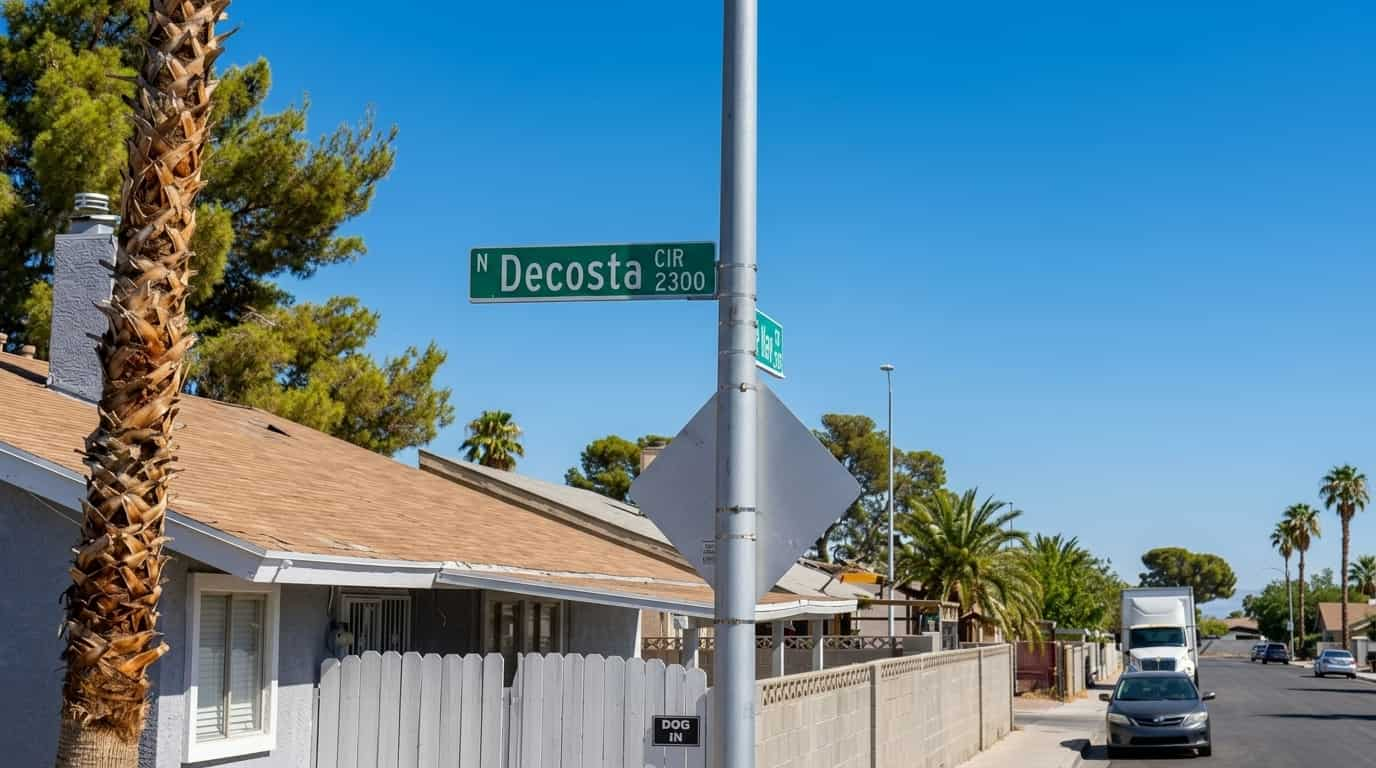
On March 28, 2026, detectives from the Las Vegas Metropolitan Police Department’s Organized Retail Crimes (ORC) Section launched an operation targeting individuals stealing high-value merchandise from retail stores across the Las Vegas area. According to LVMPD, the investigation led detectives to identify a person purchasing stolen goods, later identified as 49-year-old Roberto Fuentes. Fuentes was taken into custody without incident on May 7, 2026, following a search warrant executed at his residence in the 2300 block of Decosta Circle, and was subsequently booked into the Clark County Detention Center.
Under Nevada law, the charges filed in this case carry serious felony-level consequences. A defense attorney reviewing these facts would immediately focus on the knowledge element of each charge, the sourcing of the recovered property, and how the state intends to prove the full value of the alleged stolen inventory. Read the original report here.
Reported Details and What They May Mean Under Nevada Law
- Operation began on March 28, 2026, when LVMPD ORC Section detectives identified individuals attempting to steal high-value merchandise from retail locations
- Fuentes was identified as a buyer of stolen merchandise who allegedly resold items through various online platforms
- On May 7, 2026, detectives executed a search warrant at Fuentes’ residence in the 2300 block of Decosta Circle, Las Vegas
- More than 900 items were recovered, including jewelry, watches, tools, handbags, clothing, sunglasses, fragrance, cosmetics, alcohol, and toys
- Loss prevention partners from the Nevada Organized Retail Crimes Association (NVORCA) assisted with an itemized inventory totaling over $418,000
- No weapons or injuries were reported in connection with this incident
- Arrest status: Fuentes was booked into the Clark County Detention Center
- Charges filed: Participate in an Organized Retail Crime Theft Ring involving more than $10,000, and Buying, Possessing, Receiving Stolen Property valued at more than $100,000
The Charges: What Nevada Law Says
The first charge, Participating in an Organized Retail Crime Theft Ring involving more than $10,000, falls under NRS 205.08345. Under that statute, a person who knowingly participates directly or indirectly in organized retail theft is guilty of a category B felony. When the aggregated value of the property involved reaches $10,000 or more within a defined period, the potential sentence ranges from a minimum of 2 years to a maximum of 15 years in Nevada state prison, along with a fine of up to $20,000. The statute also requires the court to order restitution in addition to any other penalty imposed.
The second charge, Buying, Possessing, Receiving Stolen Property valued at more than $100,000, is governed by NRS 205.275. At the $100,000 or more threshold, this charge is also a category B felony, carrying a potential sentence of 1 to 20 years in state prison and a fine of up to $15,000. Nevada law under this statute does not require that the person charged have been the one who originally stole the property. A person may be prosecuted and convicted under NRS 205.275 whether or not the principal thief has been prosecuted or convicted.
Because both charges are category B felonies, Fuentes may face consecutive sentences if convicted on both counts, though sentencing outcomes depend heavily on the specific facts presented at trial or any negotiated resolution. The investigation remains ongoing, and the full facts may not yet be publicly known.
What the State Would Need to Prove
For the organized retail crime charge, prosecutors would likely need to establish that Fuentes knowingly participated in a coordinated scheme to receive and resell stolen retail merchandise, and that the value of the property involved met the statutory threshold. The use of online platforms as a resale channel is specifically contemplated under the current version of NRS 205.08345, which explicitly includes transactions conducted through internet or network sites.
For the stolen property charge, the critical element is knowledge. Under NRS 205.275, the state must show that Fuentes either knew the property was stolen, or that the circumstances were such that a reasonable person should have known. The volume of recovered items (over 900) and the diversity of categories could be factors prosecutors point to in establishing constructive knowledge, though those are arguments a defense attorney would contest.
The valuation of the recovered property will also be a central issue. Nevada law under NRS 205.275 provides that the value of the property shall be deemed the highest value attributable by any reasonable standard. NVORCA’s itemized inventory totaling over $418,000 would likely serve as the state’s primary valuation evidence, but a defense attorney may challenge the methodology behind that figure.
Potential Defenses a Lawyer Would Examine
A defense attorney reviewing these facts would likely focus on several areas. The most significant is the knowledge element. If Fuentes’ counsel can present evidence suggesting he did not know, and had no reasonable basis to know, that the goods were stolen, that argument could undermine both charges. The defense might also scrutinize the search warrant executed on May 7, 2026, examining whether it was properly supported by probable cause and whether the scope of the search was legally authorized under the Fourth Amendment.
Valuation is another avenue for defense. Given that the difference between charge tiers is measured in dollars, a successful challenge to NVORCA’s $418,000 inventory valuation could affect the severity of the charges or the sentencing range. Additionally, a lawyer would examine whether the state can establish the organizational structure required to support the “theft ring” characterization, particularly if Fuentes acted as a buyer rather than a direct participant in the thefts themselves.
Anyone facing charges of this nature, or who believes they may be under investigation in connection with a similar incident, should understand what happens after a Nevada arrest and what rights attach at each stage of the process.
The Criminal Process from Here
Following his booking into the Clark County Detention Center, Fuentes would be entitled to an initial appearance before a judge, at which bail would be addressed. Given the felony-level charges and the dollar amounts alleged, prosecutors may argue for elevated bail. After the initial appearance, the case would proceed through preliminary hearing or grand jury, formal arraignment, pretrial motions, and potentially trial or a negotiated plea.
Nevada’s criminal process at the felony level involves several key stages where defense counsel can challenge the state’s evidence, file suppression motions, or negotiate reduced charges. It is also worth noting that, depending on the outcome of the case, a conviction for a category B felony in Nevada carries consequences beyond incarceration, including potential impacts on employment, professional licensing, and civil rights. Understanding the Nevada statute of limitations by case type may also be relevant for any related civil or additional criminal exposure that could arise from the ongoing investigation.