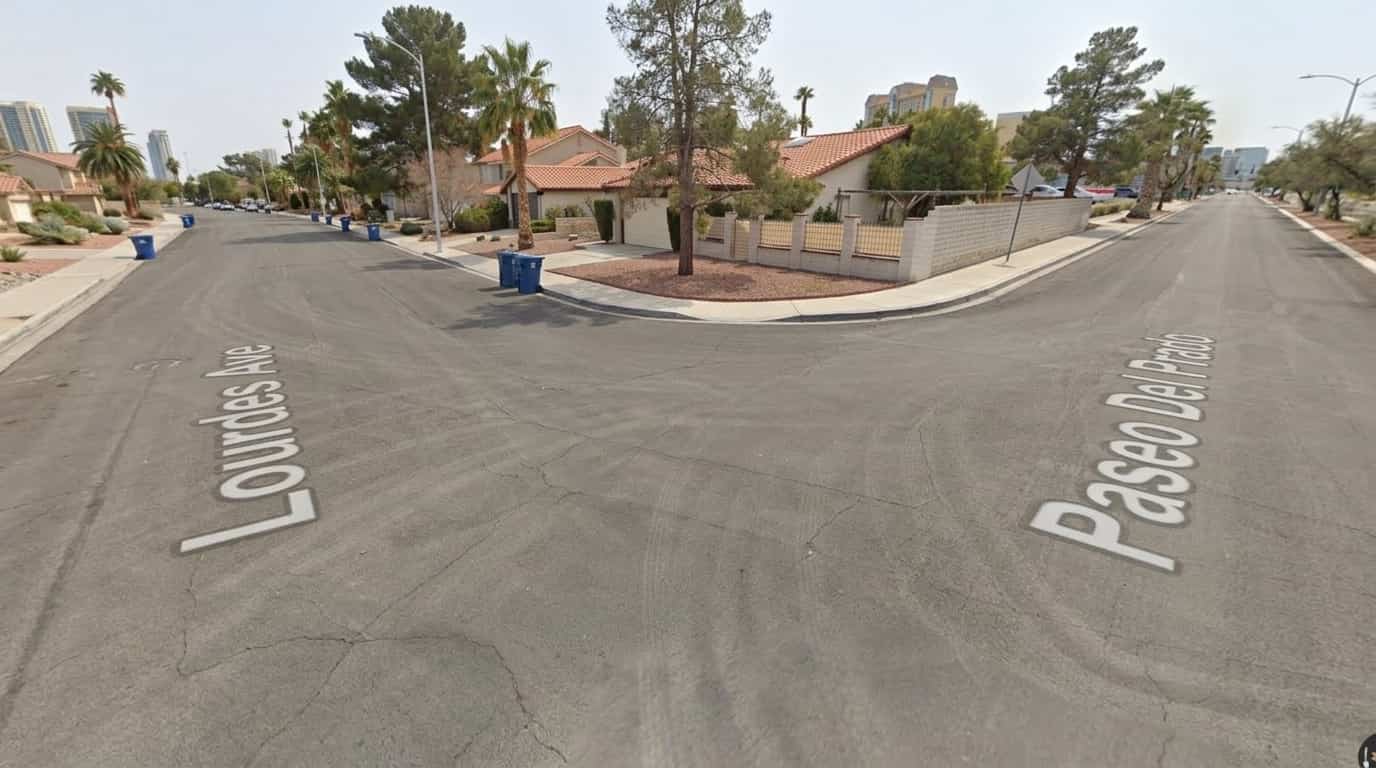
According to Las Vegas Metropolitan Police Department information, an e-bicycle or e-dirt bike rider was involved in a fatal fixed-object collision on the evening of April 25, 2026, at Lourdes Avenue and Paseo Del Prado in Las Vegas after the device reportedly continued into a T-intersection, veered right, struck a curb and sidewalk, and then hit a cinderblock wall.
The rider, identified by police as a 36-year-old man, was taken to UMC Trauma Center and later died from his injuries, and Metro said the case remains under investigation by its Collision Investigation Section.
Based on those reported facts, this incident raises more than one legal question, including rider conduct, possible roadway-condition issues, device classification, insurance availability, and whether any wrongful death claim could involve parties beyond the rider alone.
The collision remains under investigation, and final fault findings may depend on the full Metro report and preserved video.
Read the original report here. Local coverage is also available from News 3 Las Vegas.
Reported details and what they may mean
- Police said the rider was traveling westbound on Lourdes Avenue and did not slow to yield at the T-intersection before the device went into the intersection and veered right.
- Metro reported an impact sequence involving a concrete curb or sidewalk and then a cinderblock wall.
- Investigators said evidence at the scene and video surveillance informed their preliminary description of how the crash occurred.
- The reported injury outcome was fatal, and police had not assigned a final fatality number pending further review.
Those facts may point strongly toward rider-operation issues, but they do not automatically answer every civil question that could matter in a serious Nevada crash case.
A lawyer evaluating a similar case would still examine sight lines, signage, curb layout, lighting, roadway design, wall placement, surveillance footage, device condition, and whether the machine legally qualified as an e-bike or may have been a different type of motor vehicle under Nevada law.
Important records would usually include the Metro crash report, scene photographs, body-worn or dispatch materials if available, surveillance video, medical records, and an inspection of the device itself, because those materials may help clarify speed, braking, steering input, visibility, and whether a product or maintenance issue contributed to the loss of control.
Why classification matters
Nevada treats electric bicycles differently from motorcycles and mopeds, and the legal analysis can change depending on whether the device had operable pedals, a seat, and an electric motor within the statutory limits described in NRS 482.0287.
If the machine was truly an e-bike under Nevada law, the rider may have had many of the same roadway rights and duties as other drivers when operating on a public roadway.
If the machine was instead closer to an e-dirt bike or another motor vehicle category, registration, licensing, equipment, and insurance questions may become more complicated, and that can affect both liability arguments and available coverage.
That distinction matters here because the public reports describe the device as an “e-bicycle/e-dirt bike,” which suggests that a lawyer would want the exact make, model, wattage, pedal configuration, and any aftermarket modifications before drawing firm conclusions.
Nevada liability issues
Investigators will determine the exact cause of this crash, but Nevada claims generally turn on negligence, causation, damages, and insurance coverage.
Nevada also follows a modified comparative negligence rule under NRS 41.141, which generally means recovery may still be possible if an injured person’s fault is not greater than the combined fault of the parties sued, although any recovery may be reduced by that percentage of fault.
In a fixed-object crash, a claim is not automatically barred just because no other vehicle was reported at the scene.
A fact-specific investigation may explore whether roadway design or maintenance created an unreasonable hazard, whether the wall or curb area lacked adequate warnings, whether a defective throttle, brake, fork, tire, or battery system played a role, or whether a property owner or public entity had notice of a dangerous condition.
At the same time, the preliminary police account may support a defense argument that the rider failed to slow or yield, so causation and comparative fault would likely be central issues in any civil case.
Insurance and wrongful death
Coverage can be unusually complicated in electric-bike cases because e-bikes may not fit neatly into the same insurance framework as registered passenger vehicles.
A lawyer would review whether any liability coverage may exist through a homeowners, renters, umbrella, specialty recreation, or other policy, and would also examine whether uninsured or underinsured motorist coverage under NRS 690B.020 could be triggered by the facts and policy language.
When a fatality is involved, Nevada wrongful death law under NRS 41.085 may allow certain heirs and the estate to pursue damages such as funeral expenses, pre-death medical bills, lost support, and loss-related harms, depending on the family structure and claim posture.
Potential deadlines also matter because personal injury and wrongful death claims in Nevada often carry a two-year limitations period, although tolling and accrual issues can become more nuanced in some cases.
How a lawyer would investigate
Serious injury and fatal crashes usually require a prompt investigation because footage can be overwritten, vehicles can be repaired or discarded, and witness memory can fade quickly.
- Obtain the Metro crash report and any available diagrams because officer observations and scene mapping may shape the first liability analysis.
- Preserve nearby surveillance footage because police already indicated video surveillance was part of the preliminary account.
- Inspect the e-bike or e-dirt bike closely because braking, steering, battery, tire, and classification issues may affect both causation and coverage.
- Document the roadway and fixed objects quickly because measurements, sight lines, signage, and lighting conditions may become important if a road-defect or premises theory is considered.
- Collect complete medical and autopsy-related records where appropriate because damages in a wrongful death case depend heavily on proof of injury progression, treatment, and losses.
What families should know
When a fatal Nevada crash involves an e-bike or similar device, the first public version of events is often incomplete, and early assumptions about fault may not answer the full civil-case picture.
Families dealing with a similar loss may need to preserve the vehicle, keep photographs and receipts, avoid broad recorded statements before understanding the insurance issues, and obtain the official investigative materials as soon as they become available.
Even where police have released a preliminary narrative, a careful legal review may still be necessary to assess comparative negligence, product issues, public-entity defenses, and all policies that may apply.
The information in this article reflects laws and facts reported as of the date of publication. Nevada law may change. This article is for general informational purposes only and does not constitute legal advice. No attorney-client relationship is created by reading or sharing this content. If you have been injured in an accident, consult a qualified Nevada attorney for advice specific to your situation.