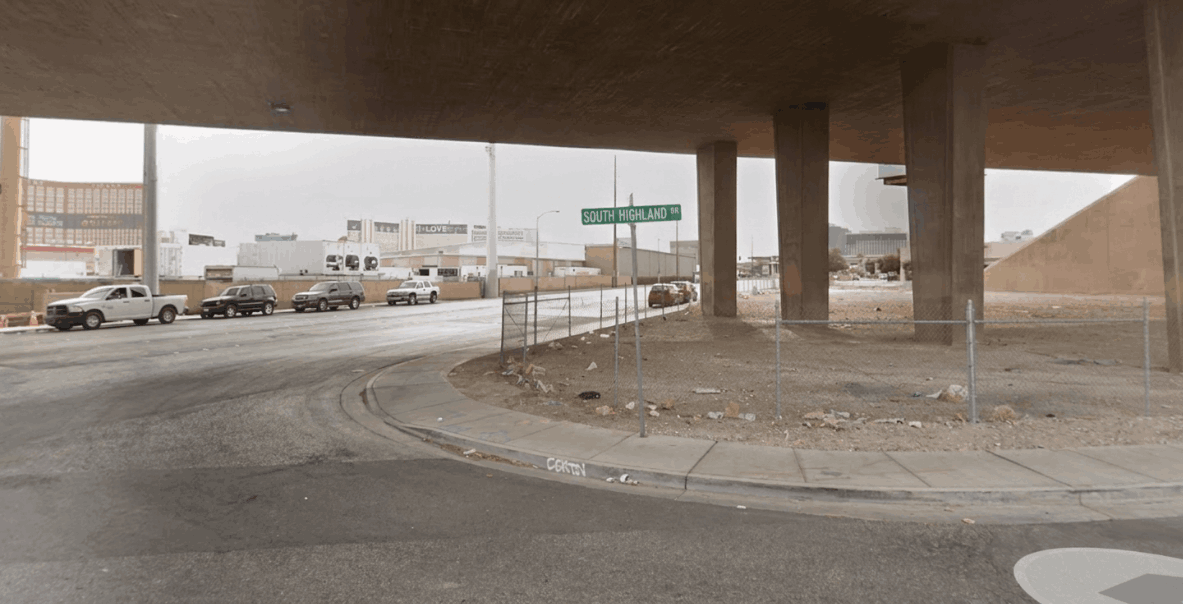
According to the Las Vegas Metropolitan Police Department, a single-vehicle collision on South Highland Drive south of West Desert Inn Road left the driver and passenger of a 2022 Tesla Model 3 with life-threatening injuries. Police reported that the Tesla was traveling southbound at a high rate of speed, left the roadway after failing to negotiate a slight bend, struck a curb, contacted a building, and immediately caught fire. Both occupants were extricated by rescue personnel and taken to Sunrise Hospital.
From a legal standpoint, a Las Vegas car accident like this raises questions about speed, loss of control, passenger claims, insurance coverage, and how post-impact fire injuries may affect damages under Nevada personal injury law. Nevada follows a modified comparative negligence rule, meaning an injured person may generally recover if their share of fault is not greater than the combined fault of those sued, though any recovery may be reduced by their percentage of fault. The collision remains under investigation, and final fault findings may depend on the full Metro report and preserved video. Read the original report here.
Reported Details and What They May Mean for a Claim
- Crash type: single vehicle versus fixed object on South Highland Drive south of West Desert Inn Road in Las Vegas
- Vehicle: 2022 Tesla Model 3 traveling southbound at a reported high rate of speed
- Sequence: left the roadway to the right after a slight bend, struck a curb, contacted a building, then caught fire
- Occupants: 25-year-old male driver and 25-year-old male passenger, both Las Vegas residents, both with life-threatening injuries
- Evidence noted by police: scene evidence, video surveillance, and a witness statement
- Agency: Las Vegas Metropolitan Police Department Collision Investigation Section; crash remains under investigation
According to KTNV, the crash occurred just before 2:30 a.m., and first responders extricated both men before hospital transport. Preliminary news reports may not contain final police findings. A lawyer would seek the official Las Vegas Metro crash report for more complete details.
These facts may indicate that speed, roadway departure, and impact force will be central to any liability and damages analysis. For the passenger, a claim may focus on whether the driver operated the vehicle in a reasonably safe manner under the conditions. For insurance purposes, a lawyer would examine liability coverage on the Tesla, any MedPay benefits, and whether household or other policies may apply.
Important evidence often includes the Metro crash report, 911 and dispatch recordings, scene and vehicle photos, building impact documentation, witness statements, medical records from Sunrise Hospital, nearby business surveillance, and electronic data from the vehicle. Police report diagrams may help show path of travel and point of impact. Surveillance and vehicle data can be especially important when officers already note video and a high rate of speed, because that material may be overwritten or difficult to obtain if not preserved quickly.
Legal Issues in Single-Vehicle Fixed-Object Crashes Under Nevada Law
Investigators will determine the exact cause of this crash. The following is a general overview of how Nevada law may apply to this type of accident.
Under Nevada law, drivers generally must operate a vehicle at a speed that is reasonable and proper for traffic, road surface, weather, and other conditions. NRS 484B.600 may be relevant when police report a high rate of speed and a failure to negotiate a bend. A lawyer would examine posted limits, roadway geometry on South Highland Drive, lighting conditions in the early morning hours, and any electronic data that may show speed before impact.
A single-vehicle crash into a fixed object does not automatically resolve every civil issue. The driver may face questions about control, attention, and speed. At the same time, a complete investigation may still look for other contributing factors, such as mechanical issues, sudden medical events, roadway conditions, or third-party conduct, if evidence later supports those theories. Based on these reported facts, a lawyer would start with the Metro findings, the witness account, and the surveillance already referenced by police.
Passenger claims are often a major focus in this type of Clark County crash. An injured passenger may still have a claim, but a lawyer would examine what the passenger knew, whether the passenger encouraged the conduct, and comparative-fault issues under NRS 41.141. Sharing a ride does not by itself bar recovery, but knowledge of dangerous speeding or other risky behavior may affect the analysis depending on the developed facts.
The reported post-impact fire may also matter to damages even if it does not change the basic liability framework. Fire-related injuries, delayed extrication, and emergency treatment can increase medical needs and long-term care questions. A lawyer would separate crash-force injuries from burn or smoke-related harm where the medical records allow that distinction, because both categories may support economic and non-economic damage claims under Nevada law.
Property damage to the building may create a separate insurance and liability track. A lawyer reviewing the civil picture would note that the building owner or insurer may pursue recovery for structural damage, while the occupants focus on bodily injury claims. Those paths can involve the same liability policy and may affect available limits.
How a Lawyer May Investigate and Build the Case
Based on these reported facts, a lawyer would move quickly to preserve time-sensitive proof. Nearby businesses along Highland Drive and Desert Inn may have cameras, and footage is often overwritten within days. Because Metro already cited video surveillance and a witness statement, prompt evidence letters and public-records requests can help lock down what investigators saw at the scene.
Obtaining the full Collision Investigation Section report early is a priority because it may contain diagrams, measurements, officer observations, and contact details for the witness. In a high-speed roadway-departure case, those details can help reconstruct whether the Tesla left the travel lane before or after the bend and how the curb and building strikes occurred.
Vehicle electronic data can be critical. Many modern vehicles, including late-model Teslas, may store speed, braking, steering, and system status information around a crash event. A lawyer would evaluate whether a proper download is needed and who controls the data so that later insurance negotiations or litigation rest on recorded values rather than estimates alone.
Medical documentation would also be assembled early. Life-threatening injuries often involve trauma care, imaging, surgery, rehabilitation, and possible long-term impairment. Clear records help connect the August 10, 2026 crash forces and fire exposure to specific diagnoses, treatment plans, and future care needs.
Insurance mapping is another early step. A lawyer would identify the Tesla’s liability and MedPay coverages, any applicable household policies, and whether health insurance or hospital liens will affect net recovery. If coverage is limited relative to the injuries, understanding every available source becomes especially important for both the passenger and, in some situations, the driver through first-party benefits.
Damages and Insurance Issues That May Arise
In a Nevada personal injury claim arising from a crash like this, recoverable damages may include past and future medical expenses, lost wages, loss of earning capacity, and non-economic harms such as pain and limitations on daily activities. The reported life-threatening injuries and extrication from a burning vehicle suggest that medical and non-economic damages could be substantial, depending on the ultimate medical course.
For the passenger, the primary third-party source is often the driver’s liability coverage. MedPay, if available, may help with immediate medical bills regardless of fault. If liability limits are low compared with the harm, a lawyer would review whether underinsured motorist coverage or other policies may apply under Nevada’s UM/UIM framework, including NRS 690B.020, depending on the policy language and facts.
The driver may have a different recovery path. When no other motorist is involved, the driver’s bodily injury claim may depend more on first-party coverages, health insurance, and any separate theory supported by later evidence. Collision coverage may address vehicle damage subject to the deductible, while liability coverage may respond to passenger and property claims.
Nevada’s statute of limitations for most personal injury claims is generally two years, but deadlines can vary with the claim type and parties involved. Because identities remain pending notification in the public release and the investigation is open, prompt legal review can help avoid missed notice or filing issues once the full picture is known.
Frequently Asked Questions
Can a passenger sue the driver after a single-vehicle Las Vegas crash?
Yes, a passenger may pursue a claim if the driver’s negligence contributed to the injuries. A lawyer would still examine comparative fault, including what the passenger knew about speed or other conduct before the crash.
Does a reported high rate of speed decide the whole case?
Not by itself. Speed can be strong evidence on the duty-of-care question under NRS 484B.600, but a lawyer would still want vehicle data, surveillance, the Metro report, and medical proof before drawing conclusions about fault and damages.
Why does the vehicle fire matter legally?
The fire may increase injury severity and medical costs. It can also create additional proof issues, including cause of the fire, extent of burn injury, and how quickly occupants were removed. Those facts may affect damages more than the basic liability theory.
What if the building owner makes a claim?
A property-damage claim by the building owner or insurer may share the same liability policy that responds to bodily injury claims. Available limits, defense costs, and settlement timing can all be affected, so early coverage analysis matters.
How long do injured people have to act under Nevada law?
Many Nevada car accident injury claims must be filed within two years, but the exact deadline depends on the claim and parties. Waiting can also risk loss of surveillance video and vehicle data, so earlier investigation is usually better than relying on the outer deadline alone.
Key Takeaways for Injured Occupants
This South Highland Drive crash shows how a single-vehicle fixed-object collision can still raise serious civil questions under Nevada law, especially for a passenger facing life-threatening injuries after a high-speed impact and fire. Reported surveillance, a witness account, and Metro’s ongoing investigation may shape both fault and insurance outcomes.
Anyone affected by a Clark County crash with major injuries may benefit from understanding how comparative negligence, policy limits, MedPay, UM/UIM coverage, and early evidence preservation work together. This overview is for general information only and is not legal advice about any specific claim.
The information in this article reflects laws and facts reported as of the date of publication. Nevada law may change. This article is for general informational purposes only and does not constitute legal advice. No attorney-client relationship is created by reading or sharing this content. If you have been injured in an accident, consult a qualified Nevada attorney for advice specific to your situation.
Leave a Reply